Table Of Content
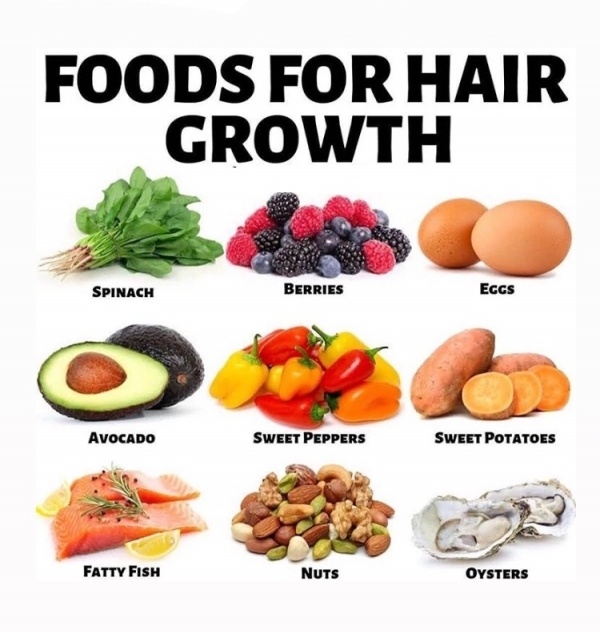
If you want to focus on foods for healthy hair, here are 10 of the best. A 2020 review suggests that caffeine in topical products, like shampoos and conditioners, could prevent hair loss as effectively as drug-based treatments. Caffeine may promote hair growth by stimulating the metabolism and proliferation of cells. Potential deficiencies linked to hair health include vitamins B12, D, E, A, and biotin, riboflavin, folate, zinc, and iron. Eating a diet that includes a variety of foods is the first step in healthy hair growth, says Prest.

What are the best nutrients for healthy hair?
Certain seeds like flaxseeds and chia seeds also provide omega-3 fatty acids. Nuts are tasty, convenient, and contain a variety of nutrients that are important for hair growth. Some studies have found lower levels of vitamin E in people with hair loss, but the evidence is conflicting (1). Like vitamin C, vitamin E is an antioxidant that helps prevent oxidative stress by neutralizing free radicals. You should be able to get all the vitamin A you need by eating foods rich in this important nutrient. “Most of the active ingredients in hair masks work with water molecules to penetrate the hair shaft to lock in moisture and close the hair cuticle, which is very important,” she explains.
What color is your tongue? What's healthy, what's not?
“Salmon is a great source of omega fatty acids and protein plus B and D vitamins and selenium,” Dr. Murphy-Rose explains. Vitamin D also plays a role in hair production and can help create new hair follicles, according to Dr. Henry. Fueling up with enough calories and healthy fats does more than keep your muscles and heart healthy. Research in a January 2015 study from the Journal of Cosmetic Dermatology showed that omega-3 and omega-6 essential fatty acids could help reduce hair loss and improve hair growth.
Beans for protein, zinc, and more
Omega-3s are a star nutrient when it comes to hair growth, and flax seeds are an easy way to get a vegan omega boost sans fish. Hair grows from the roots, so the key to healthy hair growth lies in improving the health of the scalp and hair follicles. You’ll want to be sure that you’re getting the recommended amounts of zinc and copper from a variety of foods. These tiny, shelf-stable seeds can be added to cereal, smoothies, puddings and even as a heart-healthy boost in baked goods. On the flip side, a deficiency of biotin can lead to hair loss, and you may be at risk for a biotin deficiency if you are pregnant or breastfeeding, malnourished or have certain gastrointestinal disorders like Crohn's Disease. One study suggests that for people with a biotin deficiency, taking a biotin supplement may prevent hair loss.
Lifestyle changes and supplements for hair growth
Biotin is a B vitamin that can help support hair growth,” she explains. Unprocessed, natural food sources are the best places to look for essential vitamins and nutrients in hair growth. Foods high in protein, omega-3 fatty acids, iron, fat-soluble vitamins, and B-complex vitamins aid hair growth. Leafy greens, eggs, and fatty fish are just some foods containing these essential nutrients.
5 foods to regrow hair after hair loss - Hindustan Times
5 foods to regrow hair after hair loss.
Posted: Mon, 26 Feb 2024 08:00:00 GMT [source]
Studies show that reduced protein intake can trigger telogen effluvium and cause poor hair growth. Bell peppers are chock full of vitamins C and A and biotin, essential for keeping hair healthy. Bell peppers come in various colors, including red, yellow, green, and orange. Omega-3s are thought to have anti-inflammatory properties and protect hair follicles from damage. One study found women who took a supplement containing omega-3s had a reduction in hair loss and increased hair density.

A well-known immune-boosting mineral, zinc also plays a major role in skin and hair health. One review found that zinc deficiency was linked with alopecia, or hair loss, as did a 2019 article in Dermatology and Therapy and another 2017 review. For this piece, beauty writer Carol Lee spoke with trusted hair experts about hair growth.
Hair growth is a complex process that hinges on several different factors. Key nutrients, like omega-3 fatty acids, biotin, and other vitamins, are important for growing hair. Foods such as eggs, fatty fish, dark, leafy greens, meat, bell peppers, and more contain the nutrients to help keep hair healthy.
Capsaicin, the fiery component found in chili peppers, was shown to promote hair growth in one study on mice published in Growth Hormone & IGF Research. Studies have shown that compounds in soybeans may promote hair growth. One of these compounds is spermidine, which is abundant in soybeans (31).
Though mangoes are delicious on their own, you don’t need to simply eat them straight. Add them to your the diet by making smoothies, mango salsa, or as part of a fruit salad. “If you want to give it a try, be sure to look for products that contain live and active cultures—it’ll say it on the label,” she says.
You can get 6 mg of capsaicin in just a quarter of a fresh jalapeno pepper a day. And you can get 75 mg of isoflavones eating ¾ of a cup of tempeh, or just straight soybeans. “Iron deficiency is linked to hair shedding, and foods rich in iron can help prevent hair shedding and thinning.” Red meat in particular also contains zinc. Legumes such as beans, lentils, and peanuts also make great hair-growth foods. They're not only full of plant-based proteins, but they also serve as a good source of other key nutrients like zinc, iron and biotin.




No comments:
Post a Comment